Posts for: #GDPR

IT Governance (essay)

==Introduction to IT Governance==

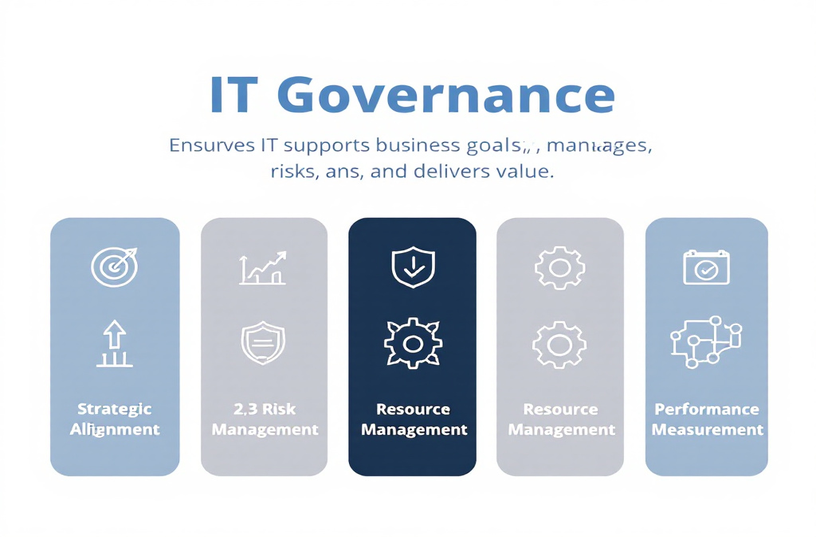
IT governance is the framework that ensures an organization’s information technology (IT) supports and aligns with its business goals. It involves defining clear roles, responsibilities, and processes to manage IT resources effectively, mitigate risks, and maximize value.

!Image Description
Choosing a Cybersecurity Framework: Key Considerations

Selecting a cybersecurity framework is not a one-size-fits-all decision. Organizations must evaluate multiple factors to ensure the framework aligns with their unique needs and goals:

[Read more]

GDPR EU Data Protection

1. Overview of GDPR

The General Data Protection Regulation (GDPR) is a comprehensive data protection law enacted by the European Union. It became fully enforceable on May 25, 2018, replacing the 1995 Data Protection Directive. GDPR is designed to harmonize data privacy laws across Europe and protect the personal data and privacy of EU citizens and residents.


2. Scope and Applicability

GDPR applies to:

  • All organizations (regardless of location) that process the personal data of EU citizens or residents.
  • Companies based outside the EU if they offer goods or services to, or monitor the behavior of, individuals in the EU.
  • Data controllers and processors: Any entity that collects, stores, or processes personal data must comply with GDPR.

3. Key Objectives of GDPR

  • Empower individuals by giving them greater control over their personal data.
  • Standardize data protection laws across the EU, simplifying the regulatory environment for international businesses.
  • Enhance data security by requiring organizations to implement robust data protection measures.
  • Increase transparency in how personal data is collected, used, and shared.

4. Core Provisions of GDPR

GDPR consists of 99 articles that outline specific requirements for organizations, including:

[Read more]